You can treat oily and acne-prone skin naturally by regulating excess oil, strengthening the skin barrier, and reducing inflammation using gentle cleansing, plant-based ingredients, consistent routines, and lifestyle adjustments that support skin health. Natural remedies work best when combined with proper skincare habits and patience.
For many people, especially those living in hot and humid climates like Malaysia, oily and acne-prone skin can feel like a never-ending struggle. Shiny T-zones, frequent breakouts, clogged pores, and sensitivity often come together, making it tempting to rely on harsh products that promise fast results. Unfortunately, aggressive treatments can worsen oil production, damage the skin barrier, and trigger even more acne.
Treating oily and acne-prone skin naturally focuses on balance rather than stripping the skin. By understanding what causes excess oil and breakouts, choosing the right natural ingredients, and adopting a consistent routine, it’s possible to achieve clearer, calmer skin without harsh chemicals or irritation.
This guide explores how to manage oily and acne-prone skin naturally, using proven methods that support long-term skin health rather than quick fixes.
Understanding Oily and Acne-Prone Skin
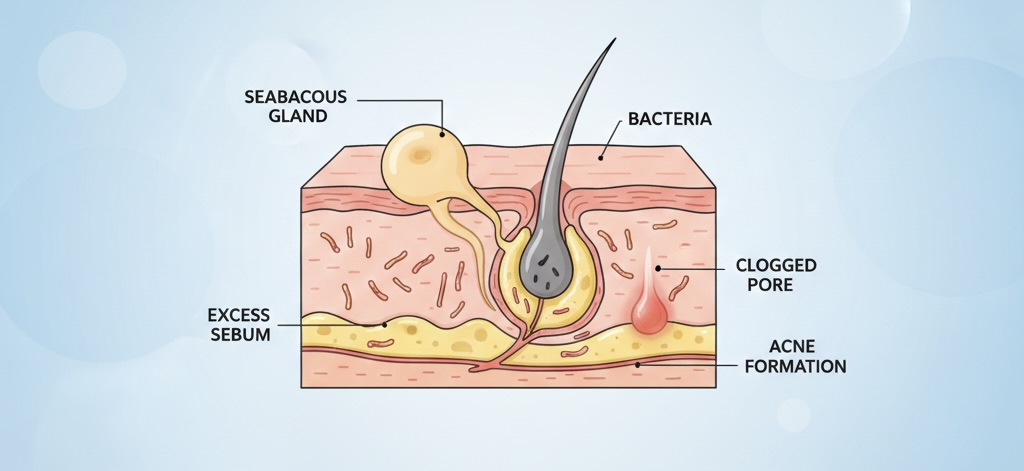
Oily skin occurs when the sebaceous glands produce excess sebum. While sebum helps protect and moisturize the skin, too much of it can clog pores, trap bacteria, and lead to breakouts. Acne-prone skin is often a result of this imbalance, combined with inflammation, bacteria, and dead skin buildup.
Several factors contribute to oily and acne-prone skin:
- Hormonal fluctuations, particularly during puberty, menstruation, pregnancy, or stress, can stimulate oil production. Genetics also play a significant role—if oily skin runs in the family, it’s likely to appear early and persist into adulthood. Environmental factors such as heat, humidity, pollution, and sun exposure further exacerbate oiliness, especially in tropical regions.
- Lifestyle habits matter as well. Poor cleansing routines, overuse of harsh skincare products, lack of sleep, high-glycemic diets, and chronic stress can all trigger excess oil and breakouts.
Understanding these triggers is the first step toward treating oily and acne-prone skin naturally and effectively.
Why Natural Treatments Work Better Long-Term
Natural skincare focuses on supporting the skin’s natural functions rather than overpowering them. Many conventional acne treatments rely on alcohol, strong acids, or synthetic fragrances that strip oil aggressively. While this may temporarily reduce shine, it often causes the skin to overcompensate by producing even more oil.
Natural treatments work differently. They aim to regulate sebum production, soothe inflammation, maintain hydration, and protect the skin barrier. Ingredients derived from plants, minerals, and natural oils often contain antioxidants, antibacterial compounds, and anti-inflammatory properties that support healing without irritation.
Another advantage of natural treatments is their suitability for long-term use. When used consistently, gentle and natural methods help stabilize the skin, making it less reactive and more resilient over time.
Gentle Cleansing: The Foundation of Clear Skin
Cleansing is one of the most critical steps for oily and acne-prone skin. Over-cleansing or using harsh cleansers can strip the skin, leading to increased oil production and irritation.
A natural cleansing routine should focus on removing excess oil, sweat, and impurities without disturbing the skin barrier. Using mild, sulfate-free cleansers with plant-based ingredients is ideal. Look for formulations containing green tea, aloe vera, chamomile, or tea tree extract, which help calm inflammation and reduce acne-causing bacteria.
Cleansing twice daily—morning and night—is sufficient for most people. In humid climates, a gentle rinse with water or micellar water after heavy sweating can help without over-drying the skin.
Avoid scrubbing aggressively or using rough cleansing tools. Gentle massage with clean hands is enough to cleanse effectively while minimizing irritation.
Natural Ingredients That Help Control Oil and Acne
Certain natural ingredients are particularly effective at regulating oil production, calming inflammation, and reducing acne-causing bacteria. Using these consistently in your routine can support clearer, healthier skin without harsh chemicals. Here’s a quick overview of the top natural ingredients and how to use them:
| Ingredient | Benefits for Oily & Acne-Prone Skin | Notes / Usage Tips |
|---|---|---|
| Tea Tree Oil | Antibacterial, anti-inflammatory, reduces acne-causing bacteria | Dilute before applying to avoid irritation |
| Aloe Vera | Hydrates, soothes redness, repairs skin barrier | Use fresh gel or aloe-based products |
| Green Tea Extract | Antioxidant, regulates sebum production, reduces redness | Apply as serum or toner |
| Kaolin / Bentonite Clay | Absorbs excess oil, clears pores | Use 1–2 times per week as mask |
| Witch Hazel (alcohol-free) | Tightens pores, reduces oil, calms skin | Use as toner, avoid alcohol versions |
The Importance of Proper Moisturising (Even for Oily Skin)
One of the biggest misconceptions about oily skin is that it doesn’t need moisturiser. In reality, skipping moisturiser often leads to dehydration, which triggers the skin to produce even more oil.
Natural moisturisers for oily and acne-prone skin should be lightweight, non-comedogenic, and fast-absorbing. Ingredients such as jojoba oil, squalane, and hyaluronic acid work well because they hydrate without clogging pores.
Jojoba oil closely mimics the skin’s natural sebum, helping to regulate oil production. Squalane provides lightweight hydration and supports the skin barrier. Hyaluronic acid attracts moisture without adding grease, making it ideal for humid climates.
Applying moisturiser to slightly damp skin helps lock in hydration and maintain balance.
Natural Exfoliation Without Irritation
Exfoliation removes dead skin cells that can clog pores and contribute to acne. However, harsh physical scrubs can cause micro-tears and inflammation, worsening breakouts.
Natural exfoliation methods focus on gentle chemical exfoliants or mild physical options. Ingredients like lactic acid from fermented sources or fruit enzymes help dissolve dead skin without abrasion.
Oatmeal is a gentle natural exfoliant that soothes irritation while removing impurities. Rice powder, when finely milled, can also be used carefully for mild exfoliation.
Exfoliating once or twice a week is enough for most people with oily and acne-prone skin.
Lifestyle Habits That Affect Oil and Acne
Your daily habits have a major impact on oily and acne-prone skin. Simple changes to diet, hydration, stress levels, and sleep can significantly improve your skin’s balance and reduce breakouts over time. Here’s a summary of the most important lifestyle practices:
| Habit | Recommendation | Skin Benefit |
|---|---|---|
| Diet | Eat vegetables, fruits, lean proteins, healthy fats; avoid high-glycemic foods and sugar | Reduces inflammation and breakouts |
| Hydration | Drink enough water daily | Regulates oil production |
| Stress Management | Exercise, deep breathing, adequate sleep | Reduces cortisol-driven oil production |
| Sleep | 7–9 hours quality sleep | Supports skin repair and balance |
Sun Protection for Oily and Acne-Prone Skin
Sun exposure can worsen acne, cause inflammation, and lead to post-acne marks. However, many people with oily skin avoid sunscreen because of heaviness or breakouts.
Natural or hybrid sunscreens with lightweight textures work best. Look for mineral sunscreens with zinc oxide, which offers anti-inflammatory benefits and helps calm acne-prone skin.
Gel-based or fluid sunscreens designed for humid climates provide protection without clogging pores or causing excess shine.
Building a Simple Natural Skincare Routine
A natural routine doesn’t need to be complicated. Consistency matters more than the number of products used.
A simple routine includes gentle cleansing, lightweight moisturising, sun protection during the day, and targeted treatments such as clay masks or spot treatments a few times a week.
Avoid switching products too frequently, as this can irritate the skin and trigger breakouts.
People Also Ask (PAA)
Can oily and acne-prone skin be cured naturally?
Oily and acne-prone skin can be managed effectively with natural treatments, but it may not be permanently cured. Consistent routines and lifestyle adjustments help control symptoms long-term.
How long do natural treatments take to show results?
Most natural treatments take 4 to 8 weeks to show noticeable improvements, depending on consistency and skin condition.
Is natural skincare better than chemical treatments for acne?
Natural skincare is gentler and suitable for long-term use, while chemical treatments may provide faster results but can cause irritation if overused.
Should oily skin avoid oils completely?
No. Certain lightweight natural oils like jojoba and squalane help regulate oil production and improve skin balance.
A Calm, Clear Path Forward for Your Skin

Treating oily and acne-prone skin naturally is not about fighting your skin—it’s about working with it. By focusing on gentle cleansing, balanced hydration, natural ingredients, and supportive lifestyle habits, clearer skin becomes a realistic and sustainable goal.
Natural methods encourage patience, consistency, and understanding of your skin’s unique needs. Over time, this approach not only reduces breakouts and excess oil but also builds healthier, more resilient skin that can adapt to changing environments and lifestyles.
With the right habits and mindful choices, managing oily and acne-prone skin naturally can become part of a calm, confident daily routine—one that supports long-term skin health rather than temporary fixes.