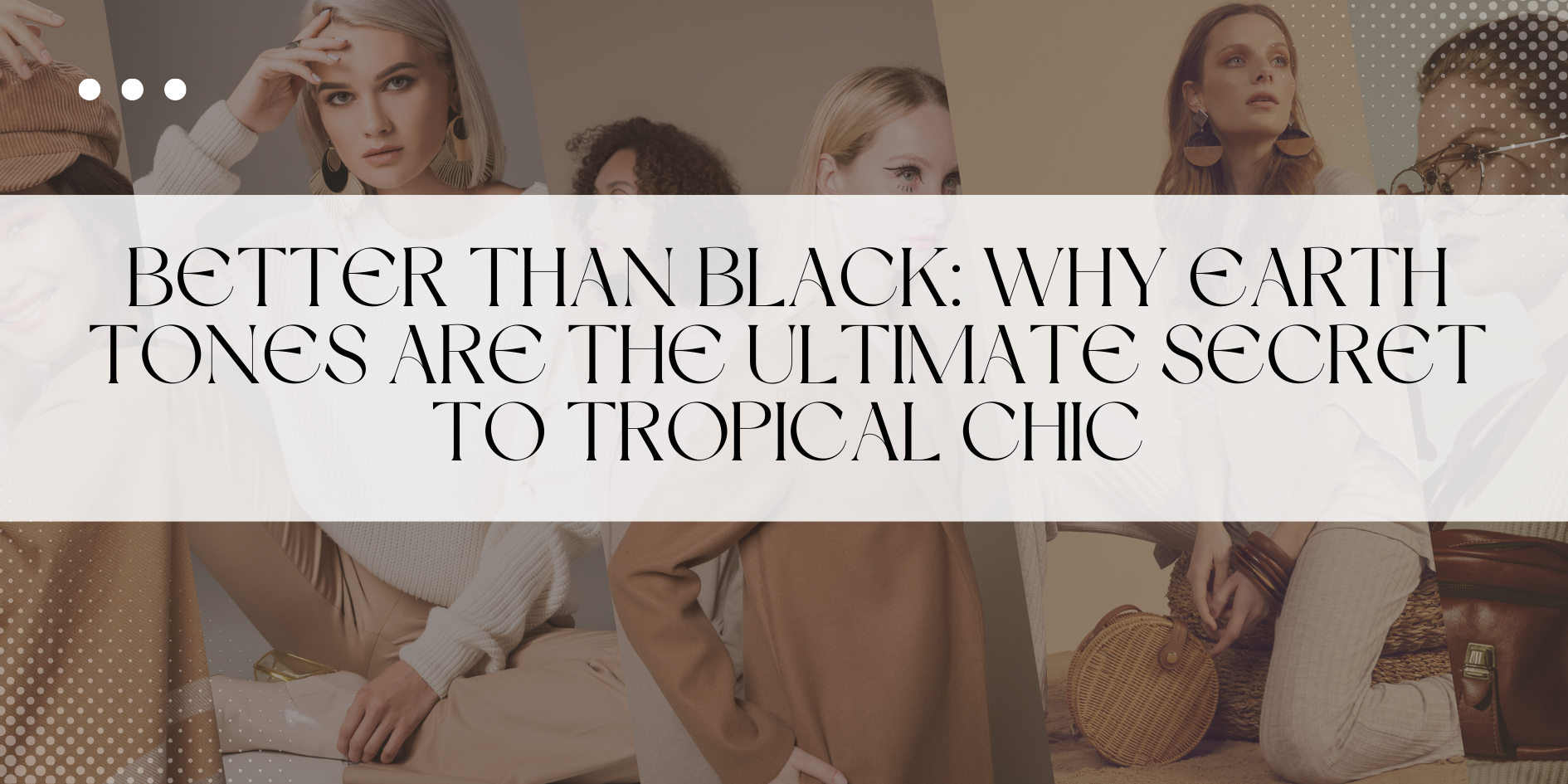
In the world of tropical fashion, earth tones—including chocolate brown, terracotta, olive green, and sandy beige—are officially replacing black as the go-to neutral for a more breathable and sophisticated wardrobe. Unlike black, which absorbs solar radiation and traps heat against the skin, earth tones offer a softer visual contrast and typically perform better in high-UV environments like Malaysia. Brown is considered the “new black” because it provides the same slimming, professional versatility as darker shades but harmonizes more naturally with the golden and olive undertones of Southeast Asian skin, preventing the “washed out” look often caused by harsh black fabrics.
Adopting an earth-toned palette is a strategic move for anyone living in 34°C humidity because these colors are frequently found in natural, heat-friendly fibers like linen, hemp, and silk. While black can look overly heavy or “moody” under the bright equatorial sun, earth tones reflect a relaxed, “Old Money” tropical aesthetic that transitions seamlessly from a corporate office in KL to a sunset dinner in Langkawi. By layering varying shades of brown, tan, and clay, you create a monochromatic depth that looks intentional and high-end without the heat-retaining drawbacks of a traditional all-black ensemble.
The Heat Factor: Why Black is Losing its Crown
For decades, we’ve been told that black is the most versatile color in fashion. It’s slimming, it’s formal, and it hides coffee stains. But if you’ve ever stood at a bus stop in Kuala Lumpur at 2:00 PM wearing a black cotton polo, you know the physical toll it takes. Black objects absorb all wavelengths of light and convert them into heat. In a tropical climate, wearing black is essentially like wearing a thin, fashionable space heater.
Enter the Earth Tone Revolution. Colors like espresso, camel, and rust provide that same “dark neutral” anchor for your outfit but with a significantly lighter thermal footprint. Psychologically, these colors feel more grounded and approachable, matching the lush, natural landscape of Malaysia rather than the cold, industrial feel of dark greys and blacks.
The Science of “Radiant Heat”
When we talk about “Brown as the New Black,” we are talking about albedo values. Light colors reflect more sunlight, while dark colors absorb it. While a deep chocolate brown is still dark, it lacks the absolute light-absorption of pure black. Furthermore, earth tones are the native colors of unbleached natural fibers. When you buy a linen shirt in its natural “flax” or “tan” state, the fibers haven’t been weakened by heavy black dyes, meaning the fabric stays stronger and more breathable for longer.
Earth Tones vs. Black: A Tropical Comparison
The following table breaks down the practical differences between sticking to a traditional black wardrobe versus transitioning to an earth-toned palette for life in the tropics.
| Feature | All-Black Palette | Earth Tone Palette (Brown/Olive/Tan) |
| Heat Absorption | Extremely High (Traps solar heat) | Moderate to Low (Varies by shade) |
| Skin Tone Harmony | Can look “harsh” on warm/olive skin | Enhances golden and bronze undertones |
| Fabric Availability | Often found in synthetic “fast fashion” | Primary colors for Linen, Hemp, and Silk |
| Stain Visibility | Hides dark stains; shows dust/lint | Hides dust/lint; blends with sweat marks |
| Versatility | Formal / Urban | Versatile (Outdoor, Beach, Corporate) |
| Style Perception | Edgy / Severe | Sophisticated / “Quiet Luxury” |
How to Style Brown in Malaysia Without Looking “Drab”
A common fear is that wearing too much brown or beige will make one look like they’re wearing a safari uniform. The secret to making earth tones look high-fashion lies in textural contrast and tonal layering.
1. The Monochromatic Gradient
Instead of wearing one solid shade of brown, layer three. Pair a dark chocolate trouser with a tan linen shirt and a cream-colored hijab or hat. This creates a “gradient” effect that adds height to your frame and looks incredibly polished.
2. Mix with “Jewel” Accents
Earth tones act as the perfect canvas. If you’re wearing an olive-green Baju Kurung, pair it with gold jewelry or a burnt orange shawl. The earthiness of the green grounds the vibrancy of the accent colors, creating a look that is vibrant but not overwhelming.
3. Footwear Matters
The quickest way to make earth tones look modern is to avoid matching your shoes exactly to your pants. If you’re wearing khaki chinos, go for a dark espresso leather loafer or a clean white sneaker. This break in color prevents the “uniform” look.
Why Earth Tones Compliment Malaysian Skin Tones
Most Malaysians possess warm or olive undertones. Black can often create a sallow or “greyish” cast on these skin types, especially under the harsh, direct light of the sun.
- For Deep Skin Tones: Rich mahoganies and copper tones make the skin glow.
- For Medium/Olive Skin Tones: Terracotta and moss greens neutralize redness and highlight golden highlights.
- For Fair/Golden Skin Tones: Sandy beiges and “Café au Lait” shades provide a soft, romantic contrast.
By switching to brown-based neutrals, you are essentially using “skin-adjacent” colors that make your complexion look healthier and more vibrant than high-contrast black and white ever could.
FAQs: Earth Tones for the Tropics
1. Is brown appropriate for formal corporate meetings in Malaysia?
Absolutely. A well-tailored chocolate brown or charcoal-brown suit is often seen as more sophisticated and modern than a standard black suit in 2026. It signals a “Quiet Luxury” aesthetic.
2. Does “Earth Tones” include bright colors?
Yes! Think of the earth’s natural landscape: Burnt orange (clay), deep mustard (autumn leaves), and turquoise (tropical water) all fall under the extended earth tone family.
3. Will earth tones show sweat patches more than black?
Medium shades (like camel or light grey) show sweat the most. However, very dark browns and very light creams are surprisingly good at hiding moisture. Stick to linen fabrics in these colors, as they dry so fast the sweat rarely has time to “pool.”
4. Can I wear black and brown together?
Yes! The old rule of “never mix black and brown” is dead. A black T-shirt under a tan linen blazer is a classic, modern look.
5. What makeup goes best with an earth-toned outfit?
Warm makeup is key. Think bronze highlighters, terracotta blushes, and “brick” or “nude” lipsticks. Avoid cool-toned pinks or frosty purples, which can clash with the warmth of the clothes.
Conclusion: A Natural Evolution of Style
The shift from black to earth tones isn’t just a fleeting trend; it’s a logical response to living in a tropical paradise. As we move toward a fashion landscape that values sustainability and personal comfort, the colors we wear must reflect our environment. Earth tones offer a bridge between the high-pressure world of urban style and the relaxed, breathable necessity of the equatorial heat.
By embracing the rich spectrum of browns, greens, and tans, you aren’t just “staying cool”—you are tapping into a timeless aesthetic that feels both grounded and elevated. It’s time to let your wardrobe breathe. Step away from the severity of black and discover the warmth of the earth; your skin (and your internal thermostat) will thank you.