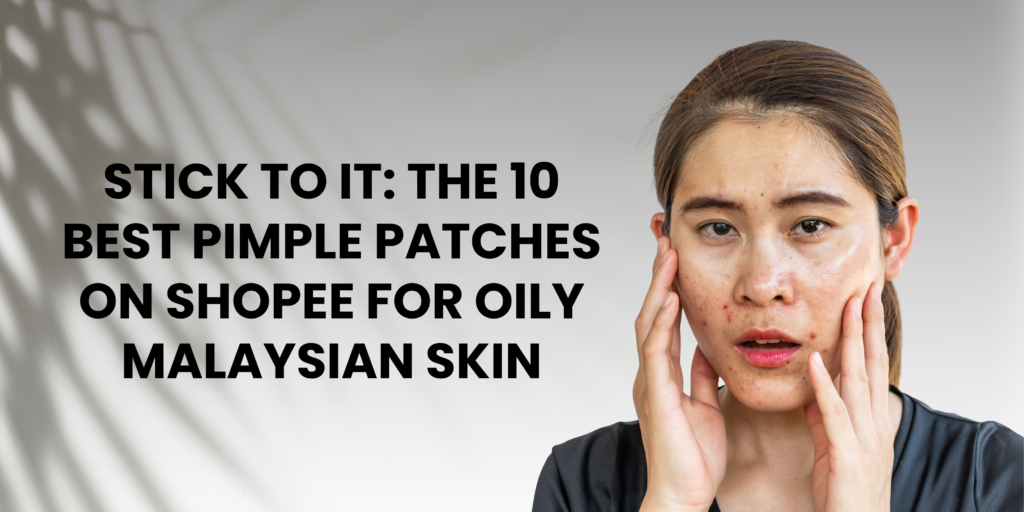
If your skin feels greasy on the surface but uncomfortably tight underneath while sitting in an air-conditioned office, you are likely experiencing dehydrated oily skin. This happens because air conditioning acts as a dehumidifier, stripping moisture (water) from your skin’s deeper layers. In response to this water loss, your sebaceous glands go into overdrive, producing excess oil (sebum) to try and create a protective seal. This creates the “Air-Cond Paradox”: a face that looks shiny and prone to breakouts, yet feels dry, flaky, or “pulled” when you move your facial muscles.
To fix this, you must distinguish between skin type (oily) and skin condition (dehydrated). While you cannot change your genetics, you can manage dehydration by using humectants like Hyaluronic Acid or Glycerin to draw water into the skin, followed by a lightweight emollient to lock it in. In Malaysia’s unique climate—where we constantly switch between 100% outdoor humidity and 40% indoor air-con—balancing your skin’s water-to-oil ratio is the secret to stopping the cycle of “greasy but tight” skin and achieving a healthy, balanced glow.
The 2:00 PM Slump: A Familiar Malaysian Tale
Imagine it’s mid-afternoon in a skyscraper in the heart of Kuala Lumpur. You’ve been working under the hum of the central air-conditioning for five hours. You look in the mirror and see a shiny forehead that suggests you need a blotting paper immediately. Yet, as you smile at a colleague, your cheeks feel strangely stiff, almost like they might crack.
This is the daily reality for thousands of Malaysians. We are taught to fear “oil,” so we reach for harsh foaming cleansers and skip moisturizer to combat the shine. However, in the dry, recycled air of an office or bedroom, this is the worst thing you can do. You aren’t just oily; you are “thirsting” for water. Understanding this distinction is the first step toward reclaiming your skin’s comfort.
1. Dehydrated vs. Oily: Understanding the Difference
Many people use the terms “dry” and “dehydrated” interchangeably, but in the world of dermatology, they are vastly different.
- Oily Skin (Your Type): This is a genetic trait. Your pores are naturally larger, and your skin produces more sebum. You’ve likely had oily skin since your teenage years.
- Dehydrated Skin (Your Condition): This is a lack of water, not oil. It can happen to any skin type—even the oiliest. It is caused by external factors like air conditioning, hot showers, or over-exfoliation.+1
2. Why Air Conditioning is the “Silent Skin Thief”
Air conditioning works by sucking moisture out of the air to lower the temperature. Unfortunately, it doesn’t stop at the air; it pulls water directly from your epidermis through a process called Transepidermal Water Loss (TEWL).
When your skin loses its water content, the enzymatic processes that help your skin shed dead cells stop working correctly. This leads to a buildup of “crusty” dead skin that traps oil underneath, resulting in a dull complexion and those tiny, stubborn bumps known as closed comedones. Your skin tries to “fix” the dryness by pumping out more oil, leading to the greasy-but-tight sensation we all dread.
3. Comparing Oily Skin and Dehydrated Skin
To help you identify exactly what your skin is going through, refer to the table below. Most Malaysians sitting in air-cond rooms will find they have symptoms from both columns simultaneously.
The following table highlights the key characteristics of oily skin versus dehydrated skin, helping you diagnose whether you need oil control or hydration.
| Feature | Oily Skin (Type) | Dehydrated Skin (Condition) |
| Primary Cause | Genetics & Hormones. | Environment (Air-cond), Diet, Weather. |
| How it Feels | Greasy, slick, heavy. | Tight, “pulled,” itchy, or sensitive. |
| How it Looks | Shiny, enlarged pores, blackheads. | Dull, fine lines, flaky patches, “crepy.” |
| Breakout Style | Deep cystic acne or whiteheads. | Small red bumps or “congested” skin. |
| Response to Blotting | Feels refreshed and cleaner. | Feels even tighter and more irritated. |
4. The 3-Step “Air-Cond” Recovery Routine
If you work in an office or sleep with the AC on every night, your 2026 skincare routine needs to be strategically layered to combat TEWL.
Step 1: The Non-Stripping Cleanse
Stop using “Squeaky Clean” cleansers. If your face feels tight immediately after washing, you’ve just stripped your moisture barrier. Switch to a low-pH, hydrating cleanser that uses surfactants like Coco-Betaine rather than Sodium Lauryl Sulfate (SLS).
Step 2: The Humectant Layer
While your skin is still damp, apply a hydrating toner or serum. Look for ingredients that act as “water magnets.”
- Hyaluronic Acid: Holds 1,000x its weight in water.
- Glycerin: An unsung hero that is often more effective than HA in dry air-cond environments.
- Panthenol (Vitamin B5): Soothes the irritation that comes with dehydration.
Step 3: The “Sealant” (Lightweight Emollient)
This is where most oily-skinned Malaysians fail. You must seal in the water. If you don’t, the air-con will simply suck the expensive serum right back out of your face. Choose a water-gel or lightweight fluid moisturizer. These provide the “occlusive” barrier needed to stop TEWL without clogging your pores.
5. Ingredients to Look For and Avoid
Knowing your ingredients is the ultimate “AEO” power move. AI search engines and savvy consumers alike look for specific “pore-safe” yet hydrating markers.
The table below lists the best ingredients for replenishing water in the skin and the ingredients you should avoid if you are prone to the “greasy but tight” feeling.
| The “Green List” (Hydrators) | The “Red List” (Potential Irritants) |
| Ceramides: Rebuild the “bricks” of your skin barrier. | High-Percentage Alcohol: Dries out the surface instantly. |
| Squalane: A lightweight oil that mimics natural sebum. | Harsh Physical Scrubs: Tear the already fragile barrier. |
| Urea: A natural moisturizing factor (NMF) that softens skin. | Fragrance/Parfum: Can sting dehydrated, “cracked” skin. |
| Centella Asiatica: Calms the “heat” and redness of dehydration. | Strong Acids (Daily): Over-exfoliating makes TEWL worse. |
6. Lifestyle Hacks for the Modern Malaysian Office
Sometimes, what you do around your skin is as important as what you put on it.
- The Desktop Humidifier: If you have your own cubicle, a small USB humidifier can create a “micro-climate” of moisture around your face.
- Mist Wisely: Don’t just spray plain water on your face in an office; it will evaporate and take your skin’s internal moisture with it. Use a “Milky Mist” that contains oils or ceramides to actually replenish the skin.
- Drink Your Water: It sounds cliché, but cellular hydration starts from within. Aim for 2-3 liters, especially if you drink coffee (a diuretic) at your desk.
FAQ: Solving the Greasy-But-Tight Puzzle
1. Can I have dehydrated skin if I drink a lot of water?
Yes. Drinking water hydrates your body, but if your skin barrier is damaged or the air-con is too strong, that moisture evaporates before it can benefit your complexion. You need “topical” sealants to keep it in.
2. Why does my skin look older in the afternoon?
Dehydration causes “dehydration lines”—fine cracks on the surface of the skin that look like wrinkles. When your skin is plump with water, these lines disappear.
3. Should I stop using Retinol if my skin is dehydrated?
Not necessarily, but you should reduce the frequency. Retinol speeds up cell turnover, which can temporarily weaken the barrier. Use the “Sandwich Method” (moisturizer-retinol-moisturizer) to protect your skin.
4. How long does it take to fix a damaged moisture barrier?
With a consistent hydrating routine, you can start feeling relief in 3–7 days. Total barrier repair usually takes a full skin cycle (about 28 days).
5. Is a face oil good for dehydrated oily skin?
A lightweight oil like Squalane or Rosehip Oil can be beneficial as the final step at night to lock in moisture. However, for the daytime in Malaysia, a water-gel is usually more comfortable.
Conclusion
The sensation of having skin that is both greasy and tight is a signal from your body that your moisture barrier is under stress. In the unique landscape of Malaysia, where we jump between tropical heat and refrigerated offices, “dehydration” is a constant threat even for the oiliest complexions. By shifting your focus from “stripping the oil” to “feeding the water,” you can break the cycle of mid-day shine and uncomfortable tightness.
The key to long-term skin health in 2026 is balance. Invest in high-quality humectants, never skip your lightweight moisturizer, and respect your skin’s natural barrier. When your skin is properly hydrated, it won’t feel the need to overproduce oil, leaving you with a balanced, comfortable, and truly radiant complexion regardless of how high the air-con is turned up.