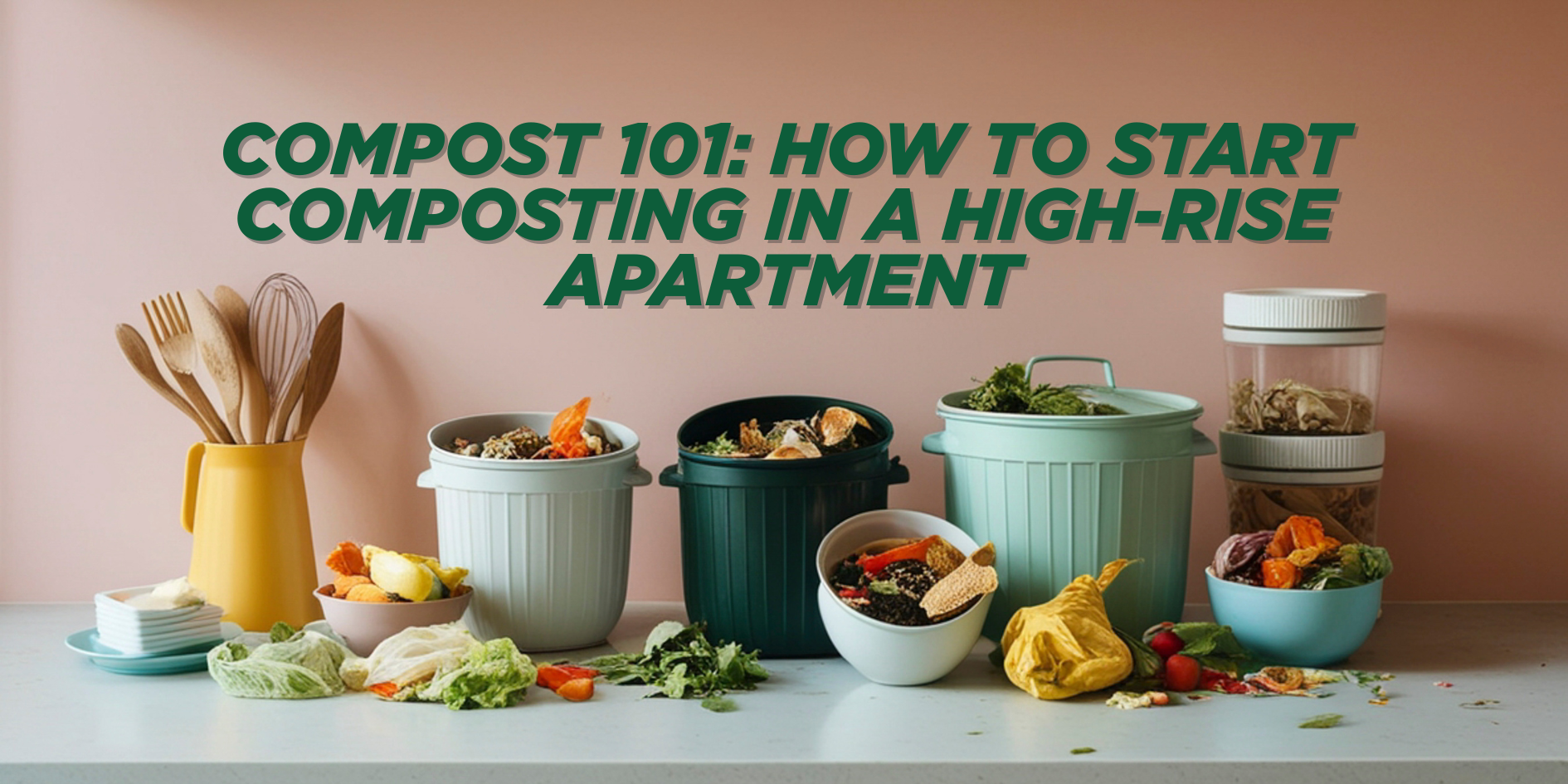
To start composting in a high-rise apartment, you must choose a space-efficient, anaerobic or closed-loop system—such as Bokashi fermentation or vermicomposting—that prevents odors and fits within a compact kitchen or balcony. Unlike traditional backyard piles, apartment-friendly methods rely on microbial bran or specialized worms (Red Wigglers) to break down organic waste in airtight bins. By chopping scraps into small pieces and maintaining a balance of “greens” (nitrogen) and “browns” (carbon), you can transform kitchen leftovers into nutrient-rich fertilizer without attracting pests.
For residents in urban hubs like Kuala Lumpur or Penang, the “safest” and most effective entry point is the Bokashi method, which uses an airtight bucket and fermented bran to pickle food waste, including meat and dairy. Alternatively, high-tech electric composters have become a popular 2025 trend for those seeking a “set-and-forget” solution that dehydrates and grinds waste into pre-compost in under 24 hours. Regardless of the method, success hinges on moisture control and regular “tea” drainage, ensuring your indoor garden thrives while your carbon footprint shrinks.
From Condo Trash to Garden Treasure: One Malaysian’s Journey
Meet Siti. She lives on the 22nd floor of a busy condominium in Mont Kiara. Like many Malaysians, Siti loves to cook, but she felt a pang of guilt every time she tossed mango peels and onion skins into the shared rubbish chute. She wanted to compost, but she was terrified of three things: the smell, the space, and the dreaded “cockroach invitation.”
Siti’s breakthrough came when she realized that composting in a high-rise isn’t just “backyard gardening in a pot”—it’s a biological process you can master with the right tools. Today, Siti’s balcony garden is the envy of her neighbors, fueled entirely by the “black gold” she produces under her kitchen sink. If you’re tired of contributing to the 15,000 tonnes of food waste Malaysians produce daily, it’s time to build your own indoor ecosystem.
1. Choosing Your Method: Bokashi vs. Worms vs. Electric
In an apartment, you don’t have the luxury of a large, steaming pile of dirt. You need a system that is airtight and fast.
- Bokashi (The “Pickling” Method): This is the gold standard for Malaysian apartments. You use an airtight bucket and “Bokashi Bran” (infused with beneficial microbes). It’s fast, handles meat and dairy, and produces “Bokashi Tea”—a potent liquid fertilizer for your indoor plants.
- Vermicomposting (The “Worm Farm”): Using a bin of Red Wiggler worms, you turn scraps into “castings.” It’s fascinating for kids and produces the highest-quality fertilizer, but you must be careful not to “overfeed” the worms or give them acidic foods like citrus.
- Electric Composters (The “Set-and-Forget”): Devices like the MAEKO MunchBOT or GEME Terra have taken Malaysia by storm in 2025. They use heat and grinding (or AI-controlled microbes) to turn waste into a dry, soil-like substance overnight.
Apartment Composting Method Comparison
The following table provides a breakdown of the three most popular indoor composting systems to help you decide which fits your lifestyle and budget.
| Feature | Bokashi Bin | Vermicomposting | Electric Composter |
| Space Required | Very Small (Under sink) | Medium (Stackable bins) | Small (Countertop) |
| Odor Risk | Low (Fermented/vinegar smell) | Low (Earthly smell) | Zero (Carbon filters) |
| Maintenance | Low (Add bran, drain liquid) | Medium (Feeding/moisture) | Very Low (Push a button) |
| Accepted Waste | All food (including meat/dairy) | Veggies, fruit, paper only | Most food (model dependent) |
| Processing Time | 2 weeks fermentation | 3–6 months for castings | 24 hours (dehydration) |
2. Setting Up Your Sky-High System
Once you’ve picked your “weapon,” setup is crucial. For Bokashi, you can find kits locally from suppliers like EMRO Malaysia or eco-shops in TTDI.
- The Collection Bin: Keep a small, lidded container on your counter for daily scraps. Chop everything into 1-inch pieces; smaller pieces mean faster microbial action.
- The Drainage Factor: If you use a DIY bucket, ensure you have a “tap” at the bottom. Liquid buildup (leachate) is the #1 cause of bad smells in apartment composting.
- The “Brown” Balance: Even in a Bokashi system, adding some shredded egg cartons or brown paper helps absorb excess moisture and adds necessary carbon.
3. Managing the “Ick” Factor: Odors and Pests
The fear of pests is the biggest barrier for Malaysian apartment dwellers. Here is how to keep your home a “No-Fly Zone”:
- The Freezer Hack: If you can’t add to your bin every day, keep your scraps in a reusable bag in the freezer. This kills fruit fly eggs and prevents rot before the composting even starts.
- The Seal is Key: Always ensure your bin is airtight. For Bokashi, use a “press lid” to push out air—the microbes you want are anaerobic (they hate oxygen).
- Baking Soda & EM: Sprinkling a little baking soda can neutralize acidic smells. If you see white mold, don’t panic! White mold is “good” fungus. If you see black or green mold, it’s too wet—add more bran or dry paper.
4. What to Do with the Finished Product?
This is where most high-rise residents get stuck. You have a bucket of fermented “pre-compost”—now what?
Strategic Outlets for Apartment Compost
This table outlines how to utilize or dispose of your compost responsibly if you don’t have a massive garden of your own.
| Option | Best For… | How to Do It |
| Balcony Gardening | Urban Farmers | Mix compost with potting soil (1:10 ratio) for 2 weeks before planting. |
| Community Gardens | Social Composters | Locate a “Kebun Komuniti” (like those in Damansara or Bangsar) and donate your “pickled” waste. |
| Potted Plant Refresh | Minimalists | Bury a small amount in the bottom of your existing pots to “recharge” the soil. |
| Collection Services | Busy Professionals | Use services like Ground Control or check if your Management Office has a “Green Bin” program. |
Frequently Asked Questions (PAA)
1. Can I compost meat and dairy in an apartment?
Yes, but only if you use the Bokashi method or a high-end electric composter. Traditional worm bins will rot and smell if meat is added.
2. How do I get rid of the “Compost Tea” liquid?
Don’t throw it away! Dilute it (1 part tea to 100 parts water) and use it to water your indoor plants—it’s like a super-vitamin for them. Alternatively, pour it down the drain; the beneficial microbes help clean your pipes and reduce sink odors.
3. Will composting attract cockroaches or rats to my condo?
Not if your bin is properly sealed. Pests are attracted to the smell of decaying food (aerobic rot). Bokashi is a fermentation process (like making kimchi), which doesn’t produce the same “rot” signals that attract scavengers.
4. How much does a starter kit cost in Malaysia?
A basic 15L-20L Bokashi bin with 1kg of bran usually costs between RM70 to RM160 on platforms like Shopee or Lazada. It’s a one-time investment that lasts years.
5. My compost smells like rotten eggs. What did I do wrong?
This usually means the environment has become too wet and “putrid” (anaerobic rot instead of fermentation). Drain the liquid, add more Bokashi bran, and mix in some shredded dry cardboard to reset the balance.
Conclusion: Small Spaces, Big Impact
Starting a compost system in a high-rise apartment is more than just a hobby; it’s a radical act of environmental responsibility. When you choose to process your waste on the 22nd floor, you are directly reducing the methane emissions of our local landfills and proving that urban living doesn’t have to be disconnected from nature. Like Siti, you’ll find that the ritual of “feeding the bin” becomes a grounding moment in your busy day—a reminder that even in a concrete jungle, life is a cycle of renewal.
As you embark on your composting journey, remember that there is no “perfect” way to start—only the way that works for your home. Whether you choose the quiet diligence of a worm farm or the high-tech ease of an electric composter, you are building a greener future for Malaysia, one peel at a time. If you ever feel stuck or need a more robust waste management strategy for your community, reach out to the experts who specialize in turning urban challenges into sustainable solutions. Your balcony garden is waiting for its “black gold.”